
How Hydraulic Oil Temperature Can Affect Forklift Performance
Hydraulic oil is the lifeblood of a forklift, carrying the power that lifts, lowers, and tilts every load. What many operators overlook is how much that oil’s temperature shapes the way the machine performs. When the oil runs too cold, the forklift feels sluggish and slow to respond. When it runs too hot, lifting weakens and components wear faster than they should. Keeping the oil within its proper temperature range is what allows the machine to work smoothly and dependably shift after shift. This guide explains how hydraulic oil temperature affects forklift performance, so you can protect both productivity and the long-term health of your equipment.
How Cold Hydraulic Oil Slows Forklift Response
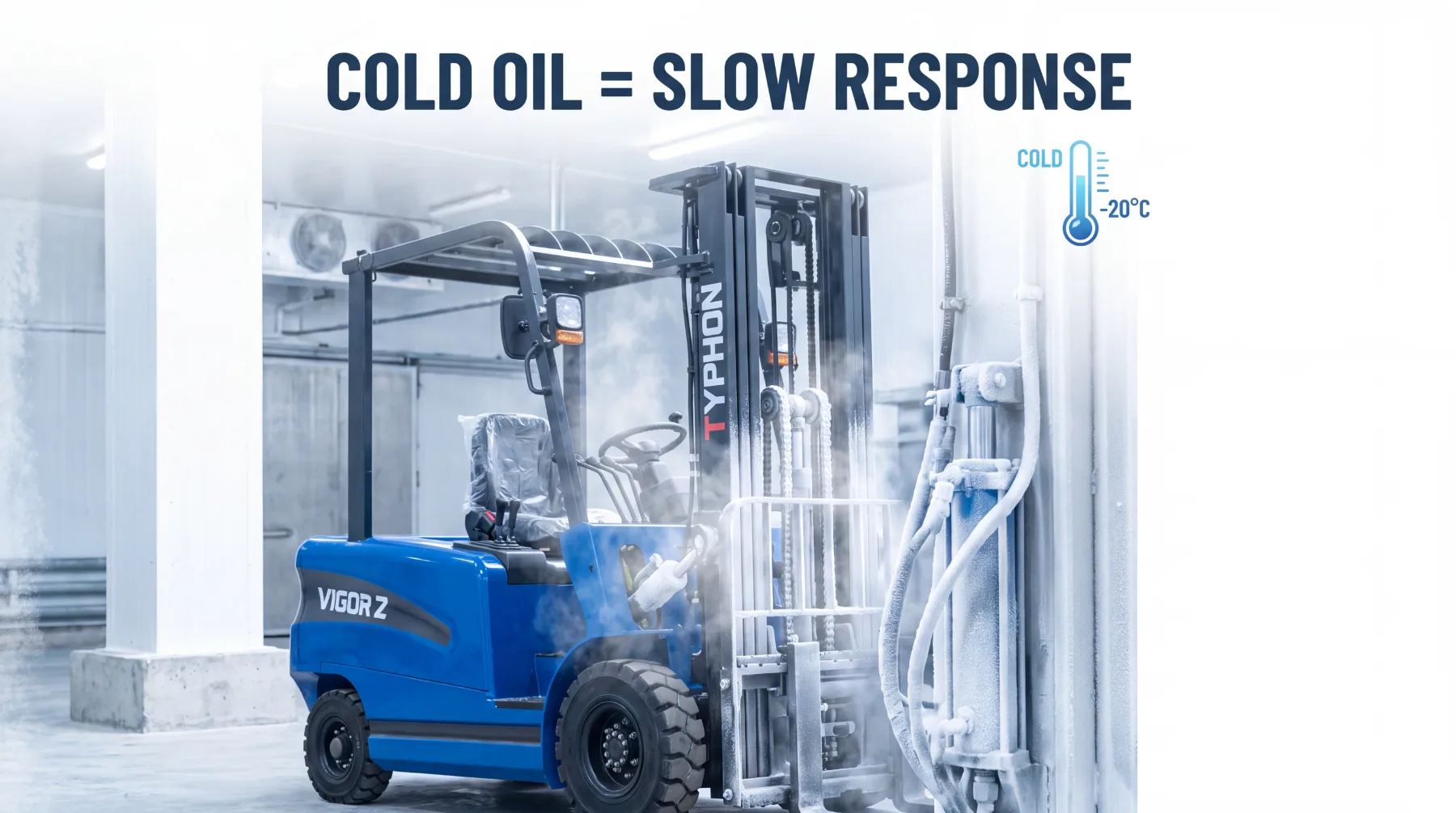
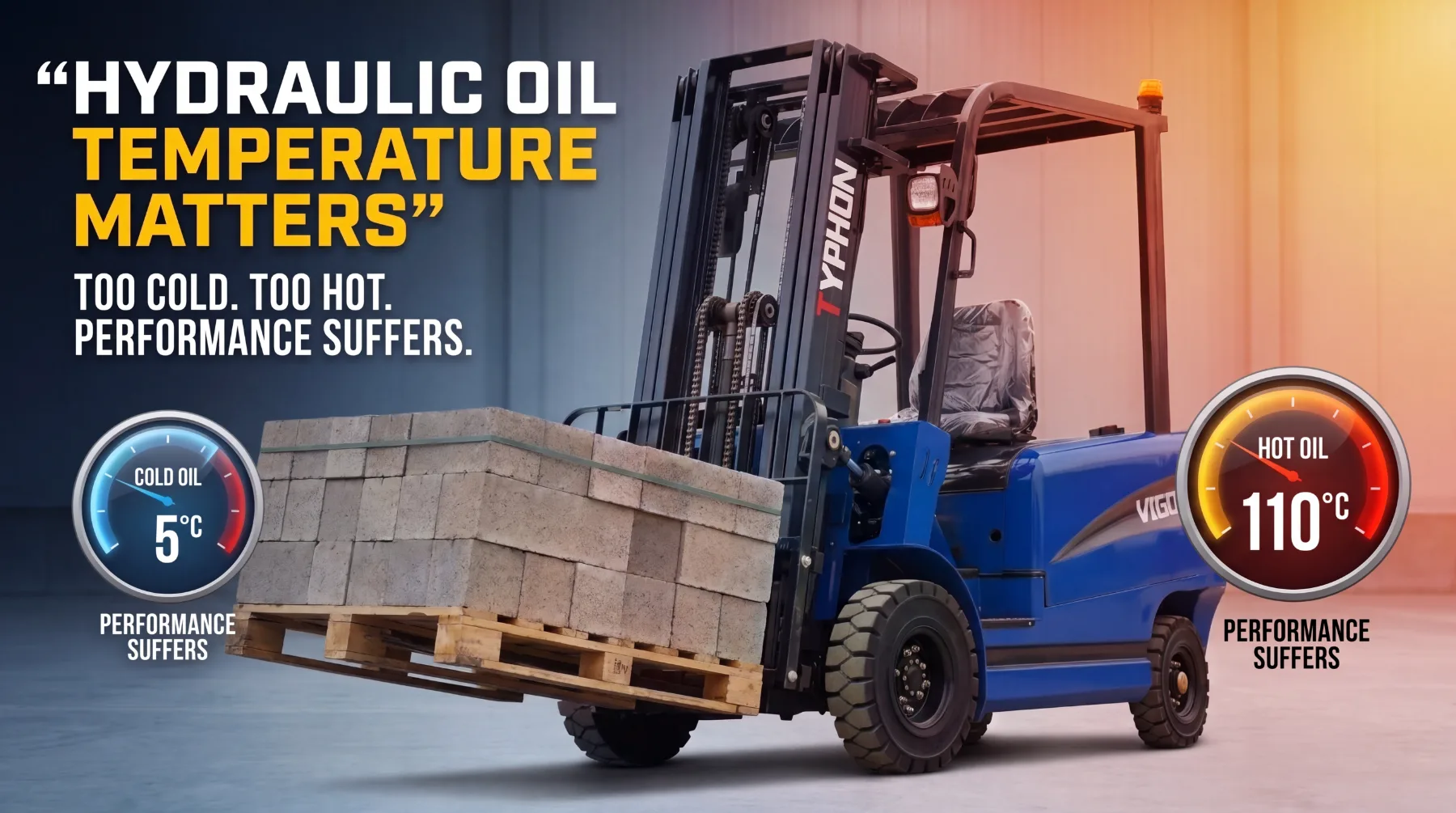
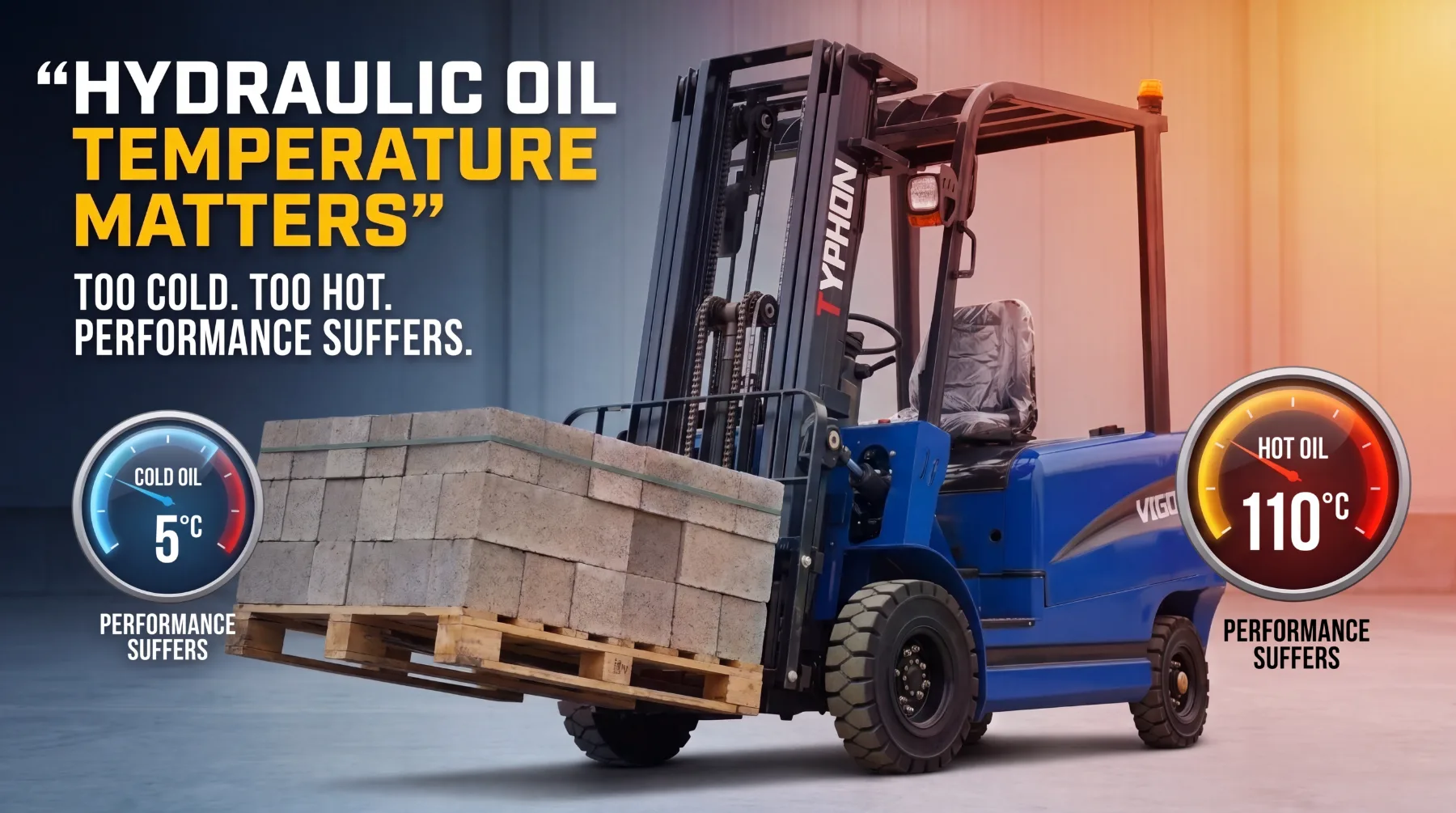
Cold hydraulic oil is one of the most common reasons a forklift feels slow first thing in the morning or after sitting idle in a chilly environment. When oil temperature drops, the fluid thickens and becomes more resistant to movement. That higher viscosity makes the oil harder to circulate through the pump, valves, hoses, and cylinders. Because the whole hydraulic system depends on fluid moving freely, thick cold oil slows everything the machine tries to do. Lifting, lowering, and tilting all become sluggish and less responsive until the oil warms enough to flow properly. The effect is easy to feel in daily operation. When an operator raises the forks with cold oil in the system, the movement lags behind the control input, taking longer to reach the desired height. Tilting the mast feels heavy and slow, and lowering can be less smooth than usual. These delays add up across each cycle, stretching out tasks that should take only seconds. Cold oil affects the machine in several practical ways:
- Slower lifting and lowering as the thick oil struggles to fill the cylinders quickly.
- Sluggish tilt response that makes precise mast positioning harder during the warm-up period.
- Reduced overall responsiveness until the oil reaches its normal operating temperature.
The sensible approach is to let the forklift warm up before demanding heavy work in cold conditions. Running the hydraulic functions gently for a few minutes circulates the oil and raises its temperature, thinning it to the point where it flows freely again. Once the oil reaches its proper range, response returns to normal and the machine handles as it should. Recognizing that cold oil temporarily slows performance helps operators avoid straining the system and lets the forklift deliver its full capability once it is ready.
How High Oil Temperature Reduces Hydraulic Performance
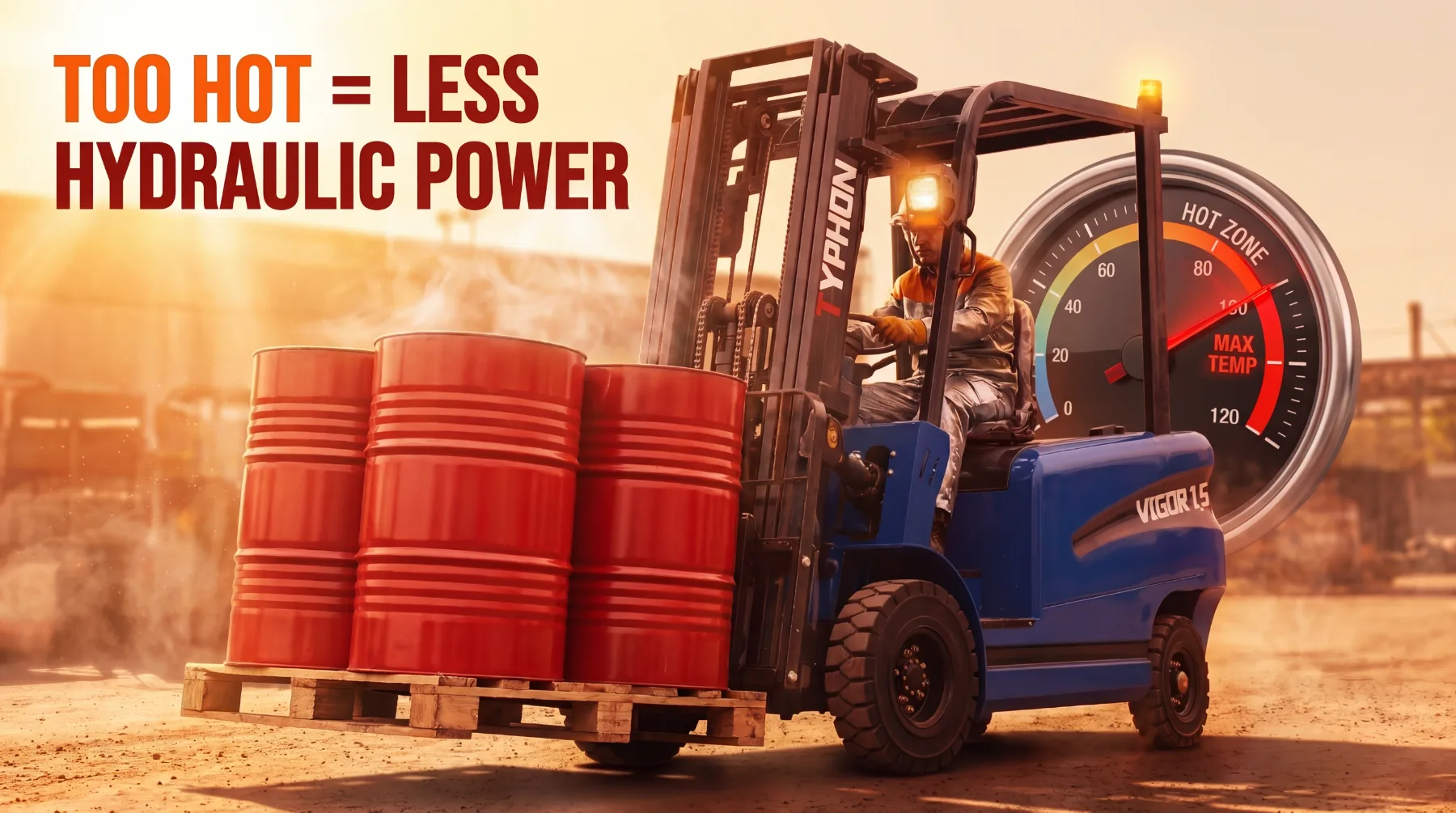
At the opposite extreme, hydraulic oil that runs too hot creates its own set of performance problems. As oil temperature climbs beyond its recommended range, the fluid becomes thinner and loses viscosity. While some warmth helps the oil flow, excessive heat thins it too far, which reduces the system’s ability to maintain consistent hydraulic pressure. Because lifting force depends directly on that pressure, overly thin oil can weaken the forklift’s performance and make its movements slower or less stable than they should be. The trouble with thin, overheated oil is that it does not seal as effectively within the pump and cylinders. Hydraulic systems rely on tight tolerances to build and hold pressure, and thin oil is more likely to slip past those clearances. This internal leakage means some of the pump’s effort is lost rather than converted into useful lifting force. The result is weaker lifting, especially when the machine handles heavy loads near its capacity. High oil temperature affects the forklift in ways an operator will notice:
- Weaker lifting performance as the system struggles to hold the pressure heavy loads demand.
- Slower or less stable movement when thin oil cannot support consistent force.
- Reduced efficiency because power leaks past internal clearances instead of doing work.
This matters most during demanding, continuous operation, which is exactly when oil temperatures tend to rise. A forklift working hard through a long shift can heat its hydraulic oil steadily, and if that heat is not controlled, performance can fade just when the machine is needed most. Keeping oil temperature within the recommended range preserves the viscosity the system needs to maintain pressure and deliver steady lifting force. When the oil stays within its proper window, the forklift performs reliably rather than losing strength as the heat builds.
Why Proper Oil Temperature Supports Consistent Lifting
Between the extremes of too cold and too hot lies the operating range where hydraulic oil performs its best. Keeping the oil within this recommended temperature window is what allows the hydraulic pump and cylinders to work efficiently and lets the forklift deliver predictable lifting and handling. At the right temperature, the oil holds the correct viscosity, flowing freely enough to circulate quickly while remaining thick enough to seal properly and maintain pressure. That balance is the foundation of consistent performance. When the oil sits in its proper range, the pump moves fluid efficiently and the cylinders receive the steady supply they need to lift, lower, and tilt smoothly. The operator gets movements that respond promptly and behave the same way from one cycle to the next. This predictability matters a great deal in real work, because an operator handling loads relies on the machine responding consistently. A forklift that lifts the same way every time is easier to control, safer to operate, and more productive across a full shift. Consistency also protects the quality of the work itself. Placing loads precisely, stacking pallets accurately, and maneuvering in tight spaces all depend on hydraulic functions that behave reliably. When oil temperature stays where it belongs, the operator can trust the machine to do exactly what the controls ask, which reduces hesitation and rework. Maintaining proper oil temperature is not complicated, but it does deserve attention. Allowing the machine to warm up in cold conditions, avoiding sustained overloading that drives heat up, and keeping the cooling system in good order all help hold the oil in its ideal range. When these habits are followed, the hydraulic system runs efficiently and the forklift delivers the dependable, repeatable lifting performance that productive material handling depends on throughout the working day.
How Overheating Can Increase Component Wear
Beyond its effect on immediate performance, excessive hydraulic temperature takes a lasting toll on the machine. High heat accelerates the deterioration of the oil itself and places additional stress on the components the oil is meant to protect. Over time, this combination contributes to leaks, reduced efficiency, and more frequent maintenance, which drives up operating costs and pulls the forklift out of service more often than it should be. Heat degrades hydraulic oil in a direct way. As oil runs hot repeatedly, it breaks down chemically, losing its protective properties and forming deposits and sludge. Degraded oil lubricates poorly and cools less effectively, which allows even more heat to build and speeds the cycle of deterioration. Once the oil can no longer protect the system properly, the components it serves begin to suffer. The parts most affected by sustained heat include:
- Seals that harden, crack, and lose their ability to hold pressure, leading to leaks.
- Hoses that weaken and deteriorate under repeated thermal stress.
- Pumps and other components that wear faster when hot, thin oil offers less protection.
The consequences show up gradually but add up significantly. Hardened seals begin to leak, which lowers hydraulic pressure and creates messes and safety concerns. Weakened hoses become more likely to fail, sometimes suddenly. Pumps and valves that run hot with degraded oil wear more quickly, reducing efficiency and eventually requiring costly repair or replacement. Each of these outcomes means more downtime and higher maintenance spending over the life of the machine. Controlling hydraulic temperature is therefore an investment in durability, not just performance. By keeping oil within its proper range, an operation slows oil degradation, protects seals, hoses, and pumps, and avoids the premature wear that overheating causes. A forklift whose hydraulic system stays cool enough runs more reliably and costs less to maintain across its working life.
How Hydraulic Cooling Helps Maintain Forklift Performance
Because demanding work naturally generates heat, forklifts rely on a hydraulic cooling system to keep oil temperature under control. A properly functioning cooling system removes excess heat during heavy work cycles, preventing the oil from climbing beyond its recommended range. Effective cooling is what allows the hydraulic functions to keep operating consistently even when the machine works hard for extended periods, protecting both performance and the components the oil serves. The cooling system does its job by drawing heat away from the oil, typically through a hydraulic oil cooler that lets the fluid shed warmth before returning to the reservoir. During light work, the oil may stay comfortably in range on its own, but under sustained heavy lifting the system generates far more heat, and the cooler becomes essential. Without adequate cooling, that heat accumulates steadily until the oil thins, pressure suffers, and components begin to strain. A well-maintained cooling system supports the forklift in several important ways:
- Controlled oil temperature that keeps viscosity and pressure steady during demanding cycles.
- Consistent hydraulic performance so lifting and handling stay reliable through a long shift.
- Protection against heat damage that extends the life of seals, hoses, and the pump.
Keeping the cooling system effective requires basic upkeep. A cooler clogged with dirt and debris cannot shed heat efficiently, so keeping it clean is important, especially in dusty environments. Maintaining the correct oil level and using the specified oil also help the system manage heat as designed. When these simple steps are followed, the cooling system holds the oil in its proper range even when the forklift works its hardest. A forklift with a healthy cooling system resists the heat buildup that would otherwise degrade its performance. By keeping the hydraulic oil at a sensible temperature through demanding work, effective cooling ensures the machine lifts, lowers, and tilts consistently and protects the hydraulic components from the wear that excessive heat causes.
Conclusion
Hydraulic oil temperature has a direct and meaningful effect on how a forklift performs. Cold oil thickens and slows lifting, lowering, and tilting until the system warms up, while overly hot oil thins out, loses pressure, and weakens lifting just when the machine is working hardest. Keeping the oil within its recommended range lets the pump and cylinders work efficiently and delivers the consistent, predictable handling that productive work depends on. Excessive heat also accelerates oil breakdown and wears seals, hoses, and pumps, which is why a healthy cooling system matters so much. By allowing proper warm-up, avoiding sustained overloading, and maintaining the cooling system, you protect both performance and durability, keeping your forklift dependable for years of demanding work.
Frequently Asked Questions
1. Why does my forklift feel slow when the hydraulic oil is cold? When hydraulic oil is cold, it thickens and becomes more resistant to movement, which makes it harder to circulate through the pump, valves, hoses, and cylinders. Because the hydraulic system depends on fluid moving freely, thick cold oil slows every function the machine performs. Lifting and lowering lag behind the control input, tilting feels heavy, and overall response is sluggish until the oil warms up. The solution is to let the forklift warm up before demanding heavy work in cold conditions. Running the hydraulic functions gently for a few minutes circulates and warms the oil, thinning it so it flows freely and response returns to normal. 2. What happens when hydraulic oil gets too hot? Excessively hot hydraulic oil becomes too thin and loses viscosity, which reduces the system’s ability to maintain consistent pressure. Since lifting force depends directly on that pressure, overly thin oil can weaken lifting performance and make movements slower or less stable. Thin oil also fails to seal properly within the pump and cylinders, so some of the pump’s effort slips past internal clearances instead of becoming useful lifting force. This matters most during heavy, continuous work, which is exactly when temperatures tend to rise. If the heat is not controlled, performance can fade just when the machine is needed most, so keeping oil in range is essential. 3. What is the ideal hydraulic oil temperature for a forklift? The ideal temperature is the recommended operating range specified by the machine’s manufacturer, which you can find in the operator or service manual. Within this window, the oil holds the correct viscosity, flowing freely enough to circulate quickly while remaining thick enough to seal properly and maintain pressure. That balance lets the pump and cylinders work efficiently and delivers predictable lifting and handling. Because exact figures vary between machines and oil types, always follow the manufacturer’s specification rather than a general number. Keeping the oil in that range through proper warm-up, sensible loading, and a healthy cooling system supports the most consistent performance. 4. Can overheating hydraulic oil damage my forklift? Yes. Sustained high temperatures accelerate the breakdown of the oil and place extra stress on the components the oil protects. As oil runs hot repeatedly, it degrades chemically, loses its protective properties, and can form deposits and sludge, which allows even more heat to build. This affects several parts: seals harden and crack, leading to leaks; hoses weaken under repeated thermal stress; and pumps and valves wear faster when thin, hot oil offers less protection. Over time these problems contribute to leaks, reduced efficiency, and more frequent maintenance. Controlling oil temperature slows this deterioration and helps protect the hydraulic system from premature, costly wear. 5. How can I keep my forklift’s hydraulic oil at the right temperature? Start by letting the machine warm up in cold conditions, running the hydraulic functions gently for a few minutes so the oil thins and flows properly before heavy work. Avoid sustained overloading, since pushing the machine beyond its limits drives oil temperature up quickly. Most importantly, keep the hydraulic cooling system in good order. A cooler clogged with dirt and debris cannot shed heat efficiently, so clean it regularly, especially in dusty environments. Maintaining the correct oil level and using the manufacturer’s specified oil also help the system manage heat as designed. These simple habits keep the oil in its proper range through demanding work.