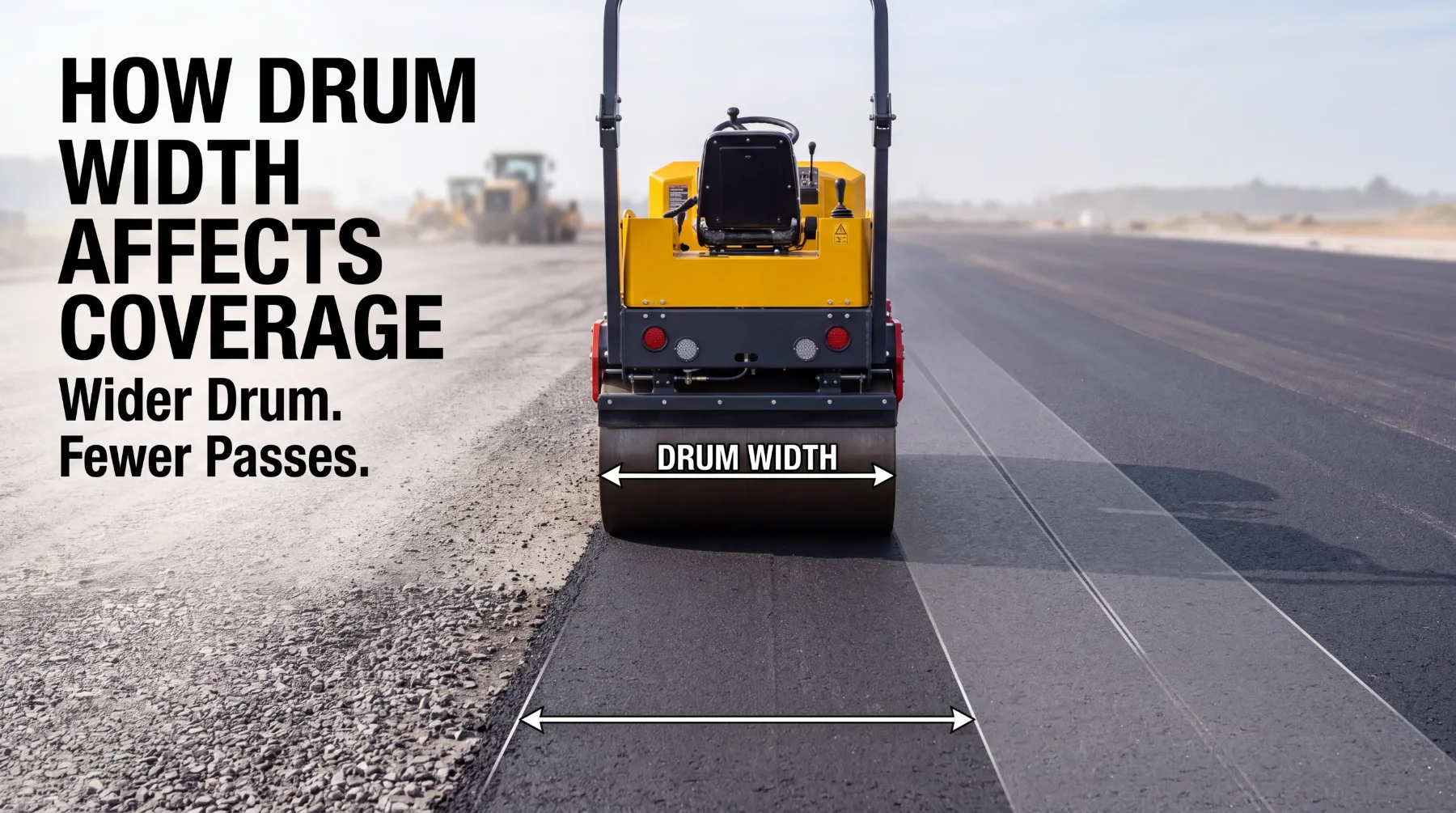
How Drum Width and Working Weight Affect Coverage Per Pass
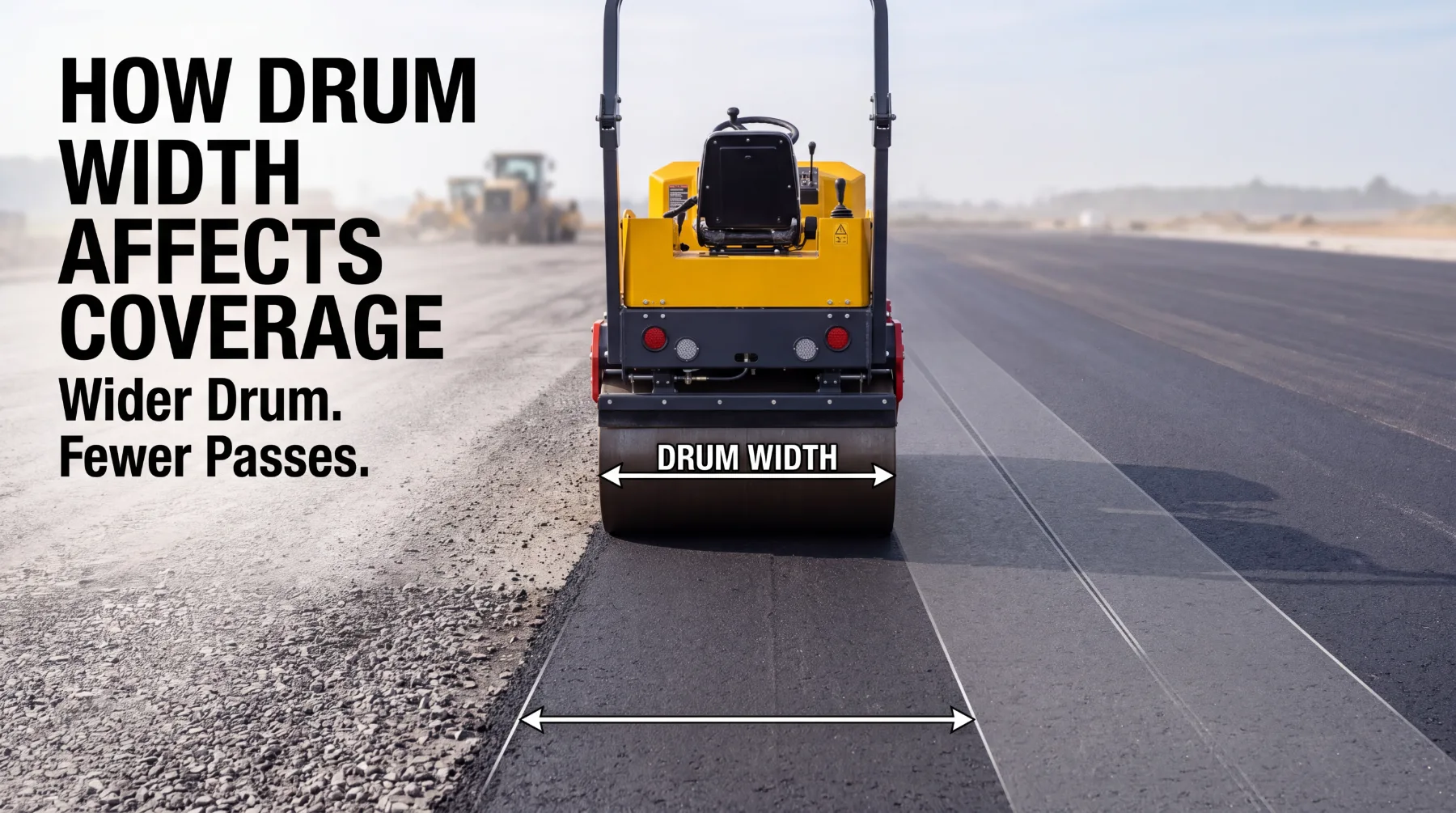 Choosing the right roller often comes down to two numbers that shape everything about compaction performance: drum width and working weight. Get the combination right, and you cover more ground per pass while hitting the density your project demands. Get it wrong, and you either waste time inching across a large area or press hard without reaching proper compaction. These two specifications work as a team, and understanding how they interact helps you match a machine to the job with confidence. This post breaks down what drum width and working weight mean, how each influences coverage and compaction, how to balance the two, and how to pick the right combination for your work.
What Is Drum Width and Working Weight?
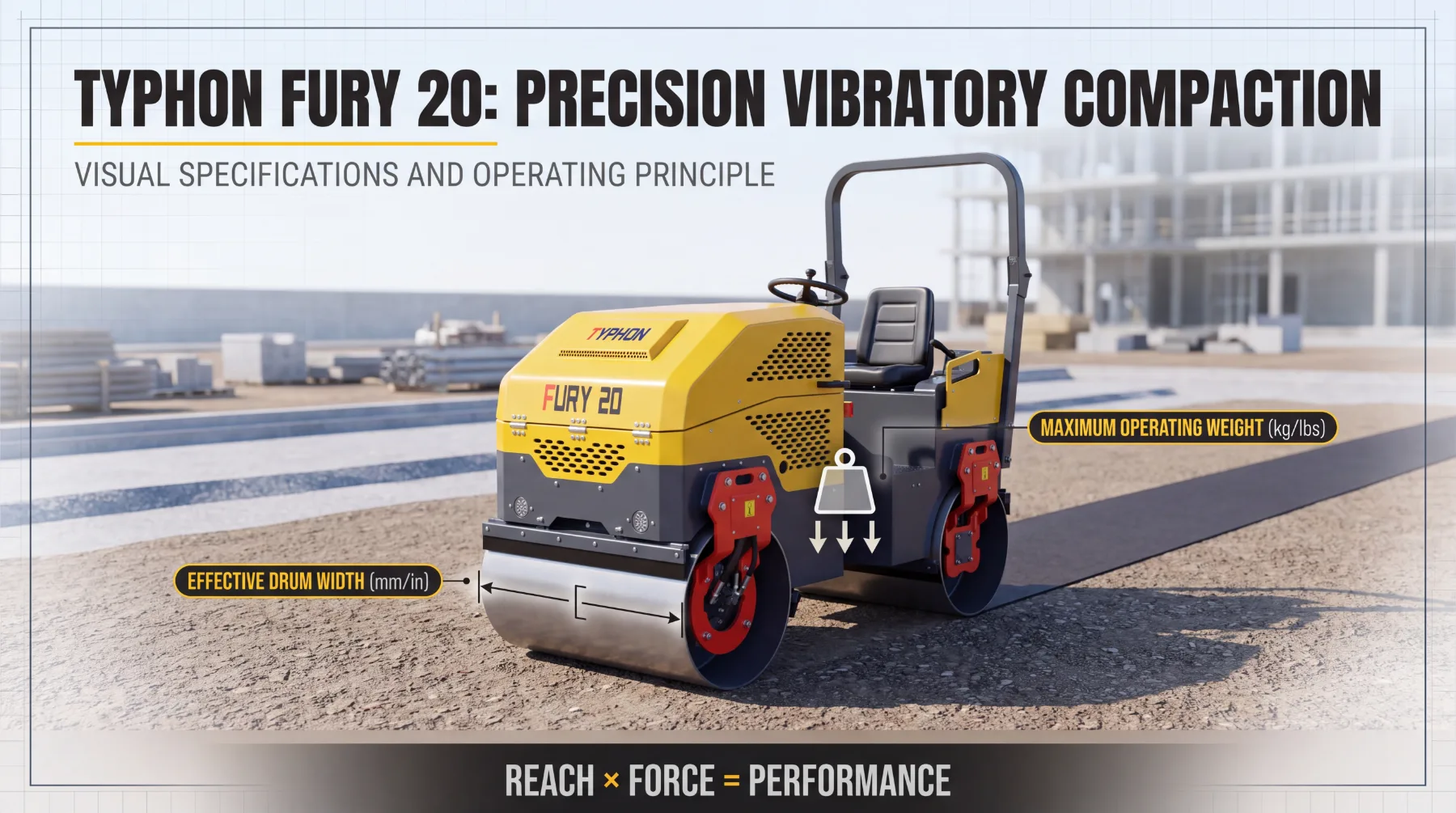
Drum width is the measurement of the roller drum that actually contacts the surface during compaction. It defines the strip of material the machine compacts with every pass. Working weight, by contrast, is the total operating weight of the machine, including the drum, frame, engine, fluids, and everything that presses down on the ground. Both figures appear on every spec sheet, and both tell you something essential about how the roller performs. These two specifications answer different questions. Drum width tells you how much surface area the roller can address at once, which shapes productivity and how quickly you finish a section. Working weight tells you how much force the machine can drive down through that drum, which shapes the compaction pressure applied to the material below. One governs reach across the surface, the other governs force into the surface.
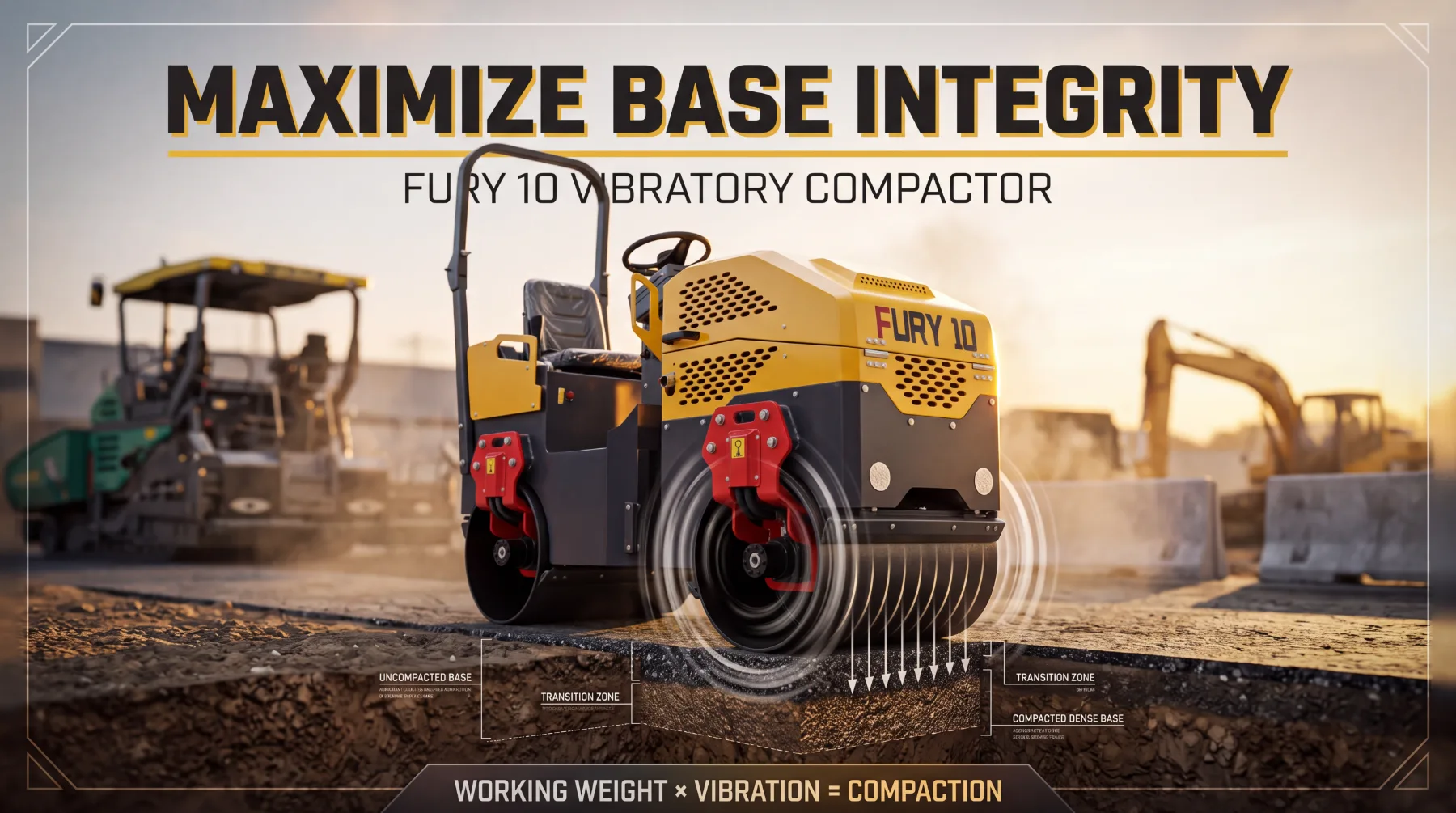 Here is how each specification contributes to overall performance:
- Drum width: the contact width that sets how much area each pass covers
- Working weight: the total operating weight that drives downward compaction force
- Combined view: how much ground you cover and how firmly you compact it
The reason these figures matter most when viewed together comes down to real results. A wide drum spreads the machine's weight across more surfaces, which affects the pressure delivered at any point. A heavy machine on a narrow drum concentrates force but covers less ground. Looking at width and weight as a pair gives you a clearer picture of both speed and compaction quality, which is exactly what dependable equipment selection requires.
How Drum Width Affects Coverage
Drum width has a direct effect on how much area a roller compacts with each pass. A wider drum contacts a larger strip of material, so the machine covers more surface in a single run. On open sites like highways, parking lots, and large pads, this translates into faster progress and fewer passes to complete the job. Fewer passes mean less operating time, lower fuel use, and quicker turnaround on schedule-driven work. The productivity gain of a wide drum is easy to see on large, unobstructed areas. When you need to compact broad sections efficiently, coverage per pass becomes one of the most valuable specifications you can prioritize. A machine that covers more ground per pass keeps the crew moving and helps you hit deadlines without sacrificing quality across the surface. Narrower drums serve a different but equally important purpose:
- Wide drums: maximize coverage per pass for open, large-scale work
- Narrow drums: improve maneuverability in tight or confined spaces
- Right fit: match drum width to the layout of the work area
Confined spaces change the priorities entirely. Trench work, areas around structures, curb lines, and tight urban sites often demand a narrower drum that can navigate obstacles and reach spots a wide drum cannot. In these settings, maneuverability matters more than raw coverage, and a compact machine finishes the job that a wider one simply cannot access. The practical lesson is that wider is not automatically better. The best drum width depends on the space you work in, and matching that width to your site keeps both productivity and access working in your favor.
How Working Weight Affects Compaction
 Working weight is the engine behind compaction force. The heavier the machine, the more downward force it can drive through the drum into the material below. That force is what presses particles together, removes air voids, and builds the density a compacted surface needs. As a general rule, a heavier roller delivers greater compaction pressure, which is why working weight is such a closely watched specification for demanding jobs. Still, weight alone does not tell the whole story. Compaction results depend on several factors working together, and a heavy machine used incorrectly can underperform a lighter one used well. Vibration and amplitude often contribute as much to density as static weight, since the vibrating drum multiplies the effective force applied to the material. Matching those settings to the job is essential for reaching target density efficiently. Several factors shape the compaction a roller actually achieves:
- Working weight: the static force pressed down through the drum
- Vibration and amplitude: dynamic force that boosts compaction well beyond static weight
- Material type: granular soils, cohesive soils, and asphalt respond differently
- Ground conditions: moisture, layer thickness, and existing density all matter
Material and ground conditions further influence the outcome. Granular soils compact differently than clay-heavy or cohesive materials, and factors like moisture content and lift thickness change how much force is needed. A machine that is too heavy for a thin asphalt layer can over-compact or damage the surface, while one that is too light for deep fill may never reach the required density. The takeaway is straightforward: working weight sets the potential for compaction force, but the right vibration settings and an understanding of your material determine whether that potential turns into real, consistent density.
Balancing Coverage and Compaction Force
A wide drum can boost productivity, but coverage on its own does not guarantee a properly compacted surface. You can pass a wide, light roller across a large area quickly and still fall short of the density the specification calls for. Speed across the surface means little if the material underneath has not reached the required compaction. This is where balancing coverage against compaction force becomes the deciding factor in equipment selection. Effective compaction requires that the roller bring both enough coverage and enough force to the job. A machine needs sufficient working weight to drive real pressure into the material, paired with the correct vibration and amplitude settings for the conditions at hand. Without that combination, a wide drum simply spreads inadequate force across a larger area, leaving you with a surface that looks finished but fails testing. Consider how the pieces fit together on a real job:
- Coverage without force: fast passes that fail to reach target density
- Force without coverage: strong compaction but slow, inefficient progress
- Balanced setup: adequate weight and correct settings across an efficient width
The goal is a roller that covers ground efficiently while still delivering the density your project demands across every part of that width. That means confirming the machine's working weight suits your material and lift thickness, then dialing in vibration settings that match the conditions. When coverage and compaction force are balanced, you gain productivity without compromising quality. A machine chosen with both in mind protects your schedule and your results at the same time, which is the mark of a well-matched roller.
Choosing the Right Drum Width and Weight
Selecting the right combination of drum width and working weight starts with an honest look at the job in front of you. The ideal pairing depends on the size of the work area, the material being compacted, the required density, and the space you have to work in. No single configuration fits every project, so weighing these factors together leads to a smarter, more cost-effective choice than chasing the widest drum or the heaviest machine available. Begin with the scale and layout of the site. Large, open areas reward a wider drum that maximizes coverage per pass, while tight or obstructed spaces call for a narrower drum built for maneuverability. Then consider the material and the density you must achieve, since heavier fill and higher density targets demand greater working weight and appropriate vibration capability. Thin asphalt layers, by contrast, need a machine sized to compact without damaging the surface. A practical routine helps turn these factors into a confident decision:
- Assess the work area: match drum width to open ground or confined space
- Identify the material: account for how granular, cohesive, or asphalt layers behave
- Define required density: ensure working weight and vibration meet the target
- Check available space: confirm the machine can access and maneuver the site
Matching drum width with working weight lets you balance coverage per pass, compaction performance, and maneuverability all at once. A roller chosen this way covers ground efficiently, reaches the density your specification requires, and moves confidently through the space available. When you align these specifications with your real conditions, you invest in a machine that delivers reliable results shift after shift, without wasted passes or compaction shortfalls.
Conclusion
Drum width and working weight shape how a roller performs, and they deliver their best results when considered together. Drum width determines how much area you cover with each pass, driving productivity on open sites while narrower drums handle confined spaces. Working weight drives the downward force behind compaction, though vibration, amplitude, material type, and ground conditions all influence the density you actually achieve. Coverage alone never guarantees proper compaction, so a wide drum still needs sufficient weight and the right vibration settings to reach target density across its full width. The smart approach weighs work area size, material, required density, and available space together, then matches drum width to working weight for the job. Take an honest look at your typical projects and conditions, then choose a roller that balances coverage, compaction force, and maneuverability. That balanced fit is what turns a specification sheet into dependable performance on the ground.
Frequently Asked Questions
1. What is the difference between drum width and working weight? Drum width is the measurement of the roller drum that contacts the surface, defining the strip of material compacted with each pass. Working weight is the total operating weight of the machine, including the drum, frame, engine, and fluids, which drives the downward force applied through the drum. In short, drum width governs how much area you cover, while working weight governs how much compaction force you deliver. Both appear on every spec sheet, and viewing them together gives a clearer picture of both speed across the surface and compaction quality into the material below. 2. Does a wider drum always mean better performance? Not always. A wider drum covers more surface area per pass, which boosts productivity on large, open sites like highways and parking lots by reducing the number of passes needed. However, wider is not automatically better. Confined spaces such as trenches, curb lines, and areas around structures often demand a narrower drum that can maneuver around obstacles and reach spots a wide drum cannot access. In these settings, maneuverability matters more than coverage. The best drum width depends on the layout of your work area, so matching width to the site keeps both productivity and access working in your favor. 3. How does working weight affect compaction results? Working weight determines the downward force driven through the drum into the material, and a heavier roller generally delivers greater compaction pressure. That force presses particles together, removes air voids, and builds density. Still, weight alone does not guarantee results. Vibration and amplitude add dynamic force that can boost compaction well beyond static weight, while material type and ground conditions like moisture and lift thickness also shape the outcome. A machine too heavy for a thin asphalt layer can cause damage, while one too light for deep fill may never reach target density. Weight sets the potential, but settings and material determine the result. 4. Why isn't coverage enough for effective compaction? Coverage measures how quickly you move across the surface, but it says nothing about the density achieved underneath. A wide, light roller can pass over a large area fast and still fall short of the required compaction. Effective results demand both enough coverage and enough force. The machine needs sufficient working weight to drive real pressure into the material, paired with correct vibration and amplitude settings for the conditions. Without that combination, a wide drum simply spreads inadequate force across more ground, leaving a surface that looks finished but fails density testing. Balancing coverage with compaction force is what protects both schedule and quality. 5. How do I choose the right drum width and working weight for my job? Start by assessing the size and layout of your work area, since open ground rewards a wider drum while confined spaces call for a narrower one. Identify the material you are compacting, because granular soils, cohesive soils, and asphalt each respond differently. Define your required density, which determines how much working weight and vibration capability you need. Then confirm the machine can access and maneuver the available space. Matching drum width with working weight lets you balance coverage per pass, compaction performance, and maneuverability. Aligning these specifications with your real conditions ensures reliable results without wasted passes or compaction shortfalls.